

Corporate Sustainability: Why It’s Essential, What It Means, and How to Work with Teams
- Introduction
- Academic and Research Context of Sustainability
- Team Management Strategies for Sustainability
- Conclusion and Practical Recommendations
Introduction
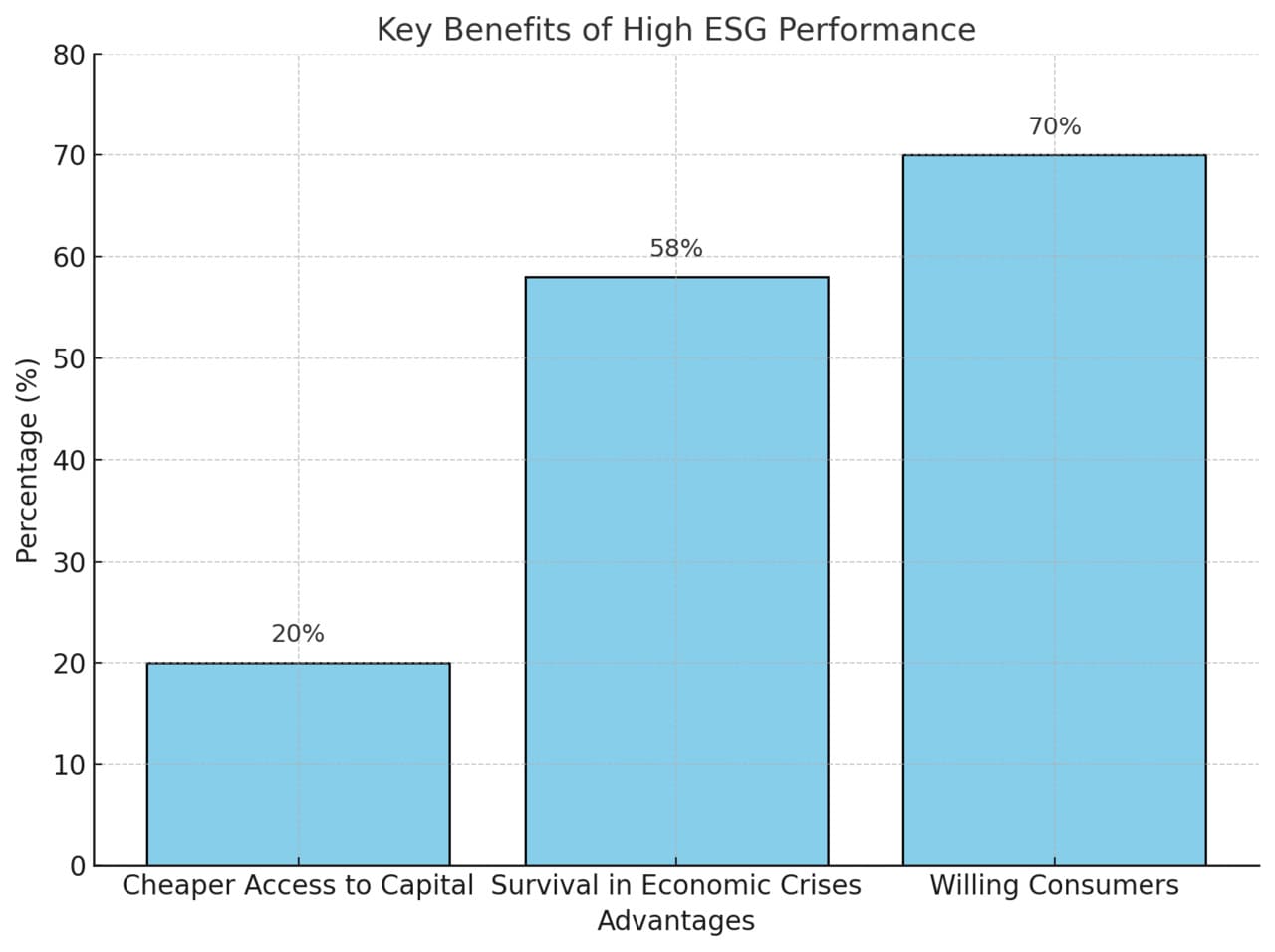
In the face of global climate change, stricter regulatory requirements, and increasing expectations from investors and society, corporate sustainability has evolved from being a “nice-to-have” to a strategic necessity. Companies that implement sustainable practices not only boost their competitiveness but also ensure long-term economic stability. Research shows that organizations with high sustainability performance are 58% more likely to weather economic crises and demonstrate consistent growth in shareholder value.
This article explores the key aspects of corporate sustainability, including its academic context, examples of successful companies, and strategies for managing teams to achieve sustainable goals.
Academic and Research Context of Sustainability
Modern research emphasizes the importance of integrating sustainable development principles into business processes. For example, data from the Geneva School of Economics highlights that companies adopting sustainable strategies use resources 40% more efficiently, reducing operational costs and increasing productivity.
Examples of Successful Companies
- KONE: The Finnish company KONE reduced energy consumption in new projects by 50% through energy-efficient technologies and regenerative systems. This not only decreased its carbon footprint but also made its products more attractive to customers.
- Nordea: One of Northern Europe’s largest banks increased the share of sustainable investments to 60% of its portfolio. This improved the bank’s financial stability and attracted new ESG-focused investors.
Additional Insights
- According to a McKinsey report (2023), companies with high ESG ratings can access capital 15–20% more cheaply than their less sustainable counterparts.
- A Harvard Business Review study found that 70% of consumers are willing to pay more for products from companies with transparent environmental practices.
Team Management Strategies for Sustainability
Successfully integrating sustainable practices into a business requires effective teamwork at all organizational levels. A comprehensive approach to team management is essential.
1. Developing Training Programs
Educational initiatives should involve all levels of the organization, from front-line employees to top executives. Examples include:
- Using online platforms (e.g., Coursera, LinkedIn Learning) to educate employees on ESG principles.
- Hosting internal workshops to brainstorm ideas for reducing the company’s carbon footprint.
Example: Unilever conducts annual sustainability training for its employees, which has helped reduce CO₂ emissions by 32% over the past five years.
2. Implementing KPIs and Incentive Mechanisms
Key Performance Indicators (KPIs) tied to sustainability goals should be integrated into employee evaluation systems. Examples of such KPIs include:
- Reducing energy consumption by a specific percentage.
- Increasing the use of recycled materials in products.
Example: At Microsoft, executive bonuses are partially tied to achieving carbon emission reduction targets.
3. Leveraging Advanced Technologies
Technology plays a crucial role in monitoring and analyzing the effectiveness of sustainable practices:
- Artificial Intelligence (AI) helps forecast the impact of supply chain changes on carbon emissions.
- Big Data is used to assess environmental risks.
Example: Siemens implemented a digital platform to monitor energy consumption across its global facilities, reducing electricity costs by 10%.
Conclusion and Practical Recommendations
Corporate sustainability is not just a trend; it’s a foundation for building a successful, long-term business. To effectively integrate it, companies should:
- Conduct audits of current processes: Identify areas with high potential for sustainable practice implementation.
- Create cross-functional teams: Involve representatives from various departments to develop sustainability strategies.
- Introduce incentive programs: Motivate employees through bonuses or recognition for achieving ESG goals.
- Invest in technology: Use data analytics tools and process automation to drive sustainability.
Final Thoughts
Companies that place sustainability at the core of their strategy gain a competitive edge, enhance their reputation, and contribute to improving societal quality of life. As Larry Fink, CEO of BlackRock, stated:
“Sustainability is not just a business’s responsibility to society; it’s its key to future success.”
Integrating sustainability principles should become an intrinsic part of your corporate culture—a cornerstone for achieving financial goals while positively impacting the world around you.
References
- Corporate Sustainability: First Evidence on Materiality
- The Evolution of Corporate Sustainability and Corporate Social Responsibility: Concepts, Practices and Frameworks
- Corporate Sustainability Performance Measurement Systems: A Review and Research Agenda
- Corporate Sustainability Integration: A Framework to Bridge the Strategy-Execution Gap
- Corporate Sustainability Leadership: Bridging the Gap Between Rhetoric and Reality