

Hybrid Engagement: Balancing Autonomy and Accountability in the Modern Workplace
- The Hybrid Paradox: Risks and Rewards
- Five Principles for Sustainable Hybrid Work
- A Scandinavian Roadmap for HR Leaders
- Final Insight
Hybrid work has become a litmus test for organizational maturity. In Sweden, 74% of companies now operate hybrid models, not merely as a policy, but as a cultural philosophy. Yet behind this shift lies a critical challenge: how to maintain cohesion when teams are dispersed. While 82% of European employees favor flexible arrangements (McKinsey, 2024), 37% of managers still perceive office-based employees as more productive (Gartner). The Scandinavian approach offers insights into turning this tension into opportunity.
The Hybrid Paradox: Risks and Rewards
Scandinavian countries have long prioritized trust and employee well-being, principles now shaping their hybrid strategies. For example, Norway’s Equinor reduced office space by 40% post-2023, reinvesting savings into mental health programs. However, the risks are real:
- A 23% decline in team social capital after two years of hybrid work (MIT Sloan);
- “Quiet quitting” affects 18% of EU employees (Eurostat);
- Innovation thrives in hybrid settings (+15% idea generation, Forbes).
The key lies not in replicating office dynamics online but reimagining collaboration.
Five Principles for Sustainable Hybrid Work
1. Trust as the Foundation: Moving Beyond Surveillance
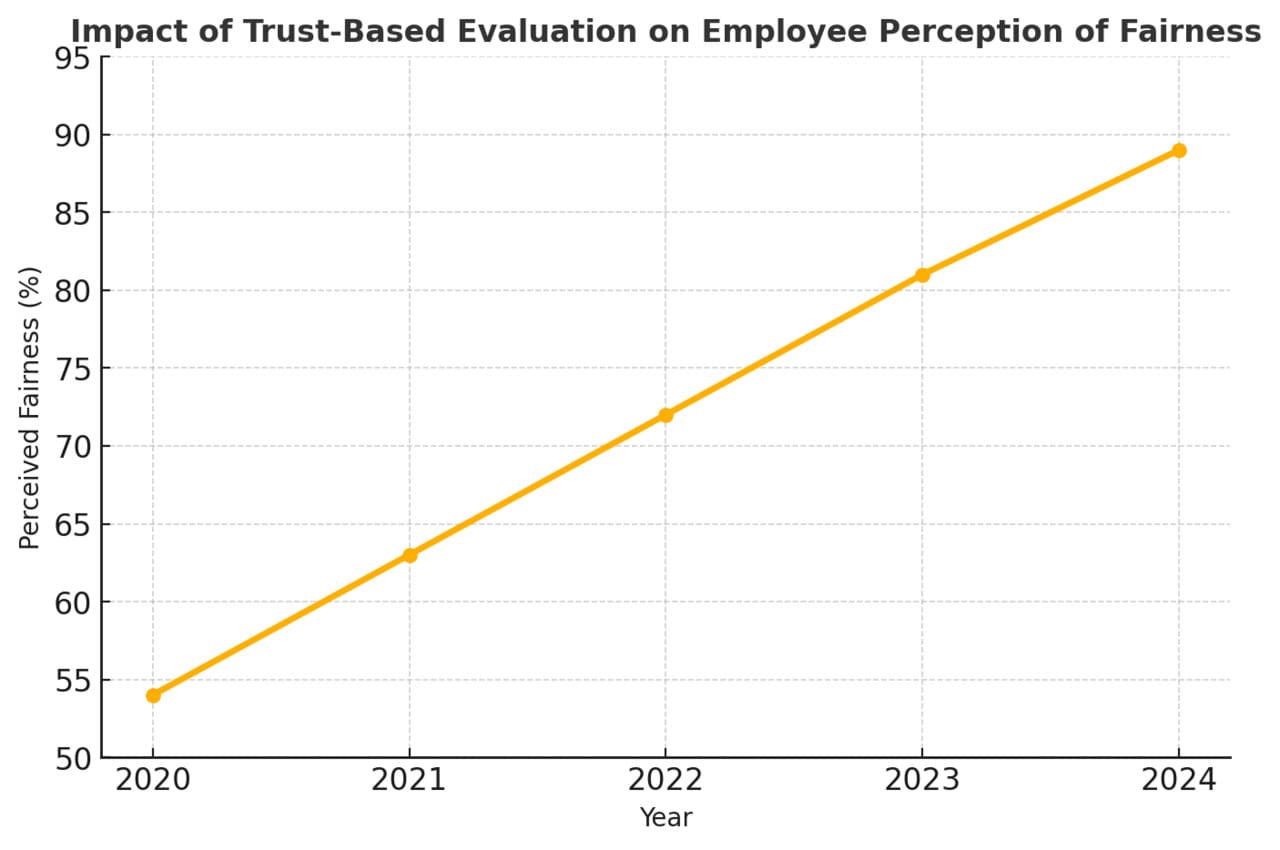
In 2024, Finnish gaming company Supercell replaced annual performance reviews with quarterly “impact stories,” where employees narrate their contributions. This shift increased perceived fairness from 54% to 89%. Similarly, Spotify’s “Work From Anywhere” policy thrives because it pairs autonomy with accountability—teams set goals collectively, with managers acting as facilitators rather than overseers.
Implementation:
- Adopt OKRs focused on outcomes (e.g., Novo Nordisk’s patient-centric metrics);
- Host monthly transparency forums where leaders share business metrics;
- Allocate 20% of work time for self-directed projects, as practiced by Danish pharmaceutical firms.
2. Technology with Purpose: Enhancing Human Connection
Swedish bank SEB introduced an AI assistant named MIA to improve meeting dynamics. It suggests when to slow discussions, invite quieter voices, or schedule breaks. While 41% of employees reported improved meeting satisfaction, the system includes safeguards: employees can disable data collection, and all AI recommendations are advisory.
Scandinavian Best Practices:
- Use VR for immersive onboarding (Maersk’s virtual shipyard tours);
- Limit video meetings to 25 minutes to combat fatigue (Ericsson’s policy);
- Provide stipends for ergonomic home offices (70% of Norwegian companies).
3. Well-Being as Infrastructure
Norway’s Equinor redesigned hybrid work around circadian science. Employees receive smart lighting systems for home offices and attend mandatory “digital detox” retreats. The result? A 35% drop in burnout cases. Meanwhile, Finland’s right-to-disconnect law, enacted in 2023, penalizes employers for after-hours communication.
Actionable Steps:
- Conduct quarterly well-being audits using platforms like Peakon;
- Offer “mental health days” without justification (5 days/year at Supercell);
- Train managers to recognize signs of burnout through workshops.
4. Leadership Reimagined: From Authority to Allyship
Danish shipping giant Maersk rebranded managers as “growth facilitators,” evaluated on three metrics:
- Ideas implemented from their teams;
- Cross-functional training participation;
- Psychological safety scores (measured via anonymous polls).
This approach mirrors Spotify’s “leadership triads,” where product, process, and people leads rotate roles biannually to prevent silos.
5. Equity in Flexibility: Avoiding Proximity Bias
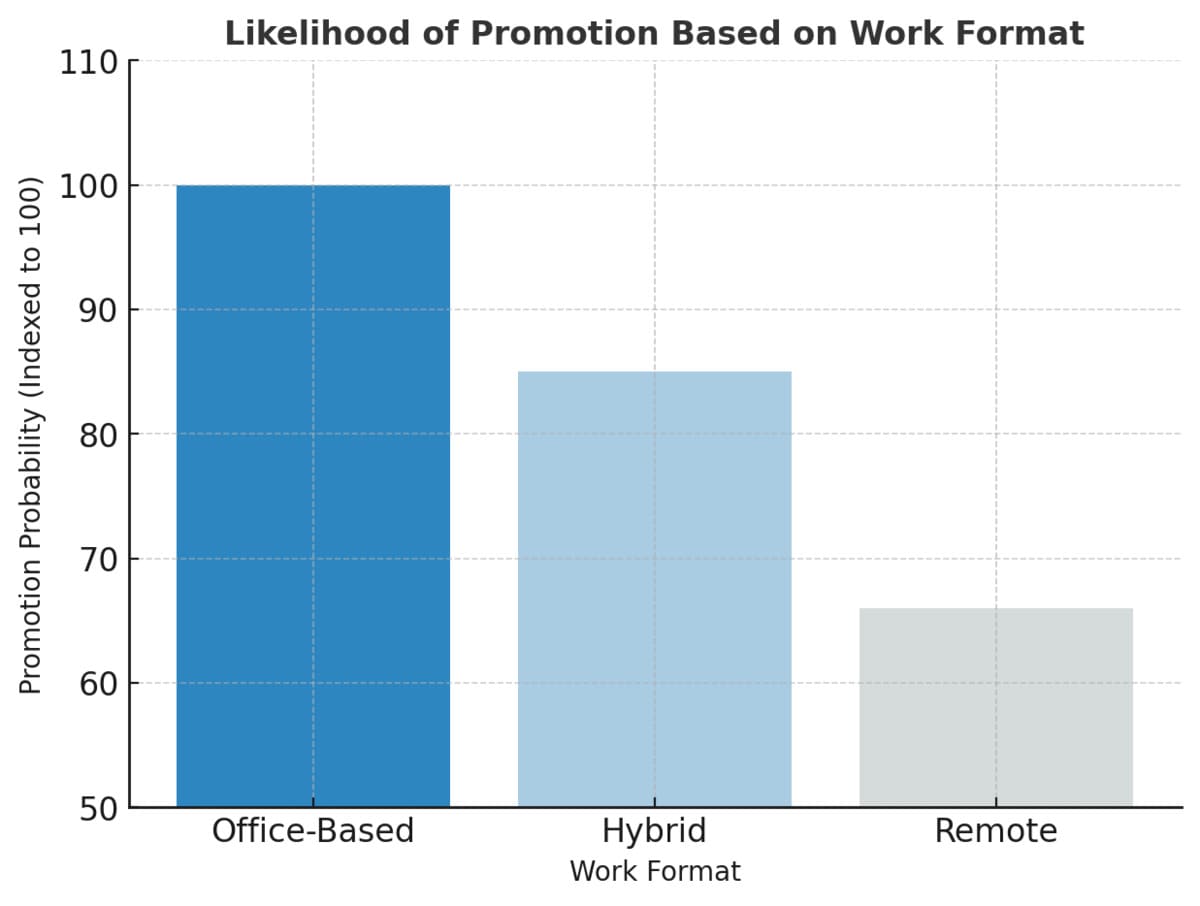
A 2024 Oxford study found remote employees are 34% less likely to be promoted. To counteract this, Spotify randomized meeting leadership and eliminated the term “remote work” from its vocabulary. Swedish firms like Ericsson host hybrid promotion panels, ensuring remote and office employees have equal visibility.
Tactics for Fairness:
- Use AI tools to anonymize performance reviews (piloted by Telenor);
- Mandate hybrid participation in leadership meetings;
- Audit promotion rates by work location quarterly.
A Scandinavian Roadmap for HR Leaders
- Redefine Success Metrics: Shift from hours logged to outcomes achieved.
- Invest in Intentional Tech: Choose tools that enhance, not replace, human interaction.
- Normalize Flexibility: Let teams co-design hybrid schedules through pilot programs.
- Train Empathetic Leaders: Replace traditional management courses with workshops on active listening and psychological safety.
- Audit Continuously: Use pulse surveys to identify disparities between office and remote staff.
Final Insight
Scandinavian companies treat hybrid work not as a policy but as a living system that evolves with employee needs and organizational goals. By prioritizing trust over control and viewing employees as partners rather than resources, they’ve turned hybrid challenges into competitive advantages.
To explore how innovative solutions can enhance engagement in your organization, visit AlbiCoins Motivation Framework.
References
- True Nature of Hybrid Work
- Is Hybrid Work the Best of Both Worlds? Evidence from a Field Experiment
- Hybrid is the Future of Work
- Hybrid Work: Definition, Origins, Debates, and Outlook
- Exploring the Impact of Hybrid and Remote Work Models on Business Efficiency and Employee Well-being