Strategic Downsizing: How to Retain Top Talent During Workforce Reductions
In the challenging landscape of organizational restructuring, how can HR leaders ensure they don’t inadvertently let go of their most crucial talent? This article provides a strategic roadmap for navigating downsizing while retaining key personnel, offering practical insights, case studies, and research-backed strategies to help you emerge stronger after workforce reductions.
The Hidden Costs of Losing Top Talent During Downsizing
When organizations face financial pressures, downsizing often seems like the quickest path to cost reduction. However, this approach can backfire if not executed strategically. A study by the European Foundation for the Improvement of Living and Working Conditions found that companies that downsized during the 2008 recession saw a 20% decrease in employee productivity and a 25% decline in employee morale.
The loss of top talent during downsizing can lead to:
- Decreased innovation and competitiveness
- Loss of institutional knowledge
- Reduced employee engagement and loyalty
- Increased recruitment and training costs
- Damage to company reputation
To avoid these pitfalls, HR leaders must approach downsizing with a scalpel rather than a sledgehammer.

source: “Organizational Downsizing, Work Conditions, and Employee Outcomes: Identifying Targets for Workplace Intervention among Survivors”
Identifying Your Most Valuable Employees
Before making any cuts, it’s crucial to identify who your most valuable employees are. This goes beyond just looking at job titles or seniority.
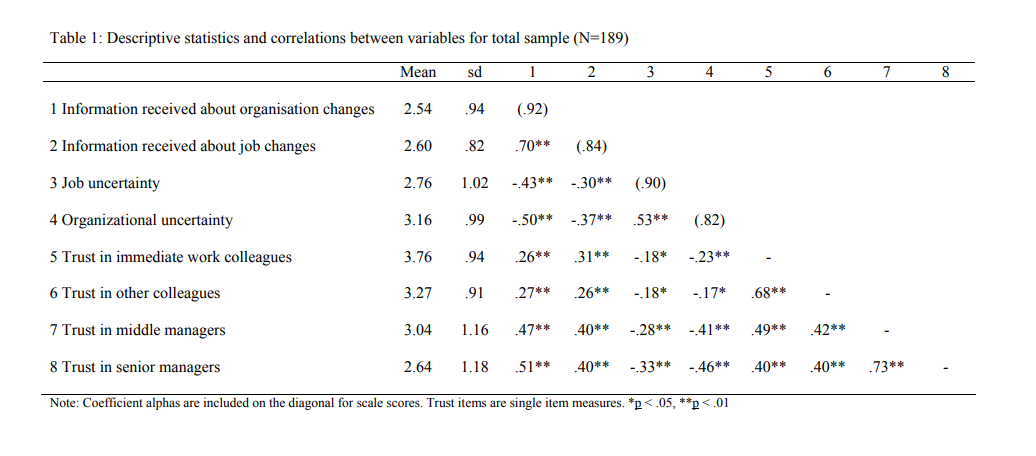
Source: The downsides of downsizing: Communication processes and information needs in the aftermath of a workforce reduction strategy. University of Queensland
Key Factors to Consider:
- Performance metrics
- Unique skills and expertise
- Institutional knowledge
- Leadership potential
- Cultural fit and embodiment of company values
- Cross-functional capabilities
- Client relationships
Dr. Maria Schmidt, a renowned European HR thought-leader, suggests creating a “talent inventory” that maps out the skills, knowledge, and relationships of each employee. This can help identify individuals who may not have high-profile roles but are nonetheless critical to the organization’s success.
Strategies for Retaining Key Talent During Downsizing
1. Implement a Strategic Workforce Planning Process
Before making any cuts, conduct a thorough analysis of your workforce needs. This should align with your organization’s long-term strategic goals.
Case Study: Siemens’ Strategic Workforce Planning
Siemens developed a data-driven approach to workforce management called “Strategic Workforce Planning.” This system analyzes employee data to predict future skill requirements and identifies critical roles. According to a report in the Harvard Business Review, this approach helped Siemens reduce unwanted attrition by 20% and improve talent retention in key areas.
2. Consider Alternative Cost-Cutting Measures
Before resorting to layoffs, explore other options that can help retain your top talent:
- Reduced work hours
- Voluntary unpaid leave
- Salary freezes or temporary reductions
- Elimination of bonuses or perks
- Early retirement incentives
A study by the European Trade Union Institute found that companies that used alternative cost-cutting measures during economic downturns were 15% more likely to report higher post-recession performance compared to those that relied primarily on layoffs.
3. Utilize Value-Based Recognition Programs
During times of uncertainty, recognizing and rewarding your top performers becomes even more critical. Value-based recognition programs can help reinforce desired behaviors and boost morale without significant financial investment.
For example, implementing a points-based recognition system where employees can earn and redeem points for various rewards can provide a flexible and cost-effective way to motivate and retain key talent. This approach allows organizations to tailor rewards to individual preferences, increasing their perceived value.
4. Offer Flexible Benefits
Providing a flexible benefits package can help retain valuable employees without increasing overall compensation costs. A flexible benefits market allows employees to choose the benefits that matter most to them, potentially trading salary for additional time off or vice versa.
This approach not only helps retain key talent but can also lead to cost savings. A study by Mercer found that European organizations with flexible benefit programs reported 9% lower turnover rates compared to those with traditional, fixed benefit packages.
5. Communicate Transparently and Frequently
Open, honest communication is crucial during downsizing. A study published in the European Journal of Work and Organizational Psychology found that employees who received clear, timely communication about organizational changes reported 25% higher levels of trust in management and were 30% less likely to seek employment elsewhere.
Best Practices for Communication:
- Be transparent about the reasons for downsizing
- Provide regular updates on the process
- Offer opportunities for employee feedback and questions
- Communicate the organization’s vision for the future
- Highlight the roles of retained employees in achieving that vision
6. Invest in Training and Development
Paradoxically, investing in employee development during downsizing can yield significant benefits. A study by the European Centre for the Development of Vocational Training found that companies that increased their training budgets during economic downturns experienced 40% higher shareholder returns when the economy recovered.
Consider offering:
- Cross-training programs to increase versatility
- Leadership development for high-potential employees
- Skills upgrading to align with future organizational needs
7. Implement a “Talent Redeployment” Strategy
Instead of laying off valuable employees, consider redeploying them to other areas of the organization where their skills can be utilized.
Case Study: Vodafone’s Future Ready Program
Vodafone implemented a massive retraining program called “Future Ready” to address changing skill requirements in the telecommunications industry. The program offered employees opportunities to learn new skills and transition into different roles within the company. According to Vodafone’s Chief People Officer (Personaledirektør), this approach helped the company retain valuable talent while reducing hiring and severance costs by millions of euros.
Avoiding Common Pitfalls in the Downsizing Process
1. Don’t Rely Solely on “Last In, First Out”
While seniority-based layoffs may seem fair, they can disproportionately affect younger employees who may possess critical skills for the organization’s future.
2. Avoid Across-the-Board Cuts
Implementing uniform percentage cuts across all departments can inadvertently harm high-performing areas of the business.
3. Don’t Neglect Your Employer Brand
How you handle downsizing can significantly impact your ability to attract top talent in the future. A study by the European Association for People Management found that companies with strong employer brands were 3 times more likely to successfully rehire laid-off employees when economic conditions improved.
4. Beware of Hidden Biases
Unconscious biases can influence layoff decisions. Implement checks and balances to ensure decisions are based on objective criteria.
The Role of Technology in Strategic Downsizing
Leveraging HR analytics and AI can help make more informed decisions during downsizing. Tools like workforce planning software, skills mapping platforms, and predictive analytics can provide valuable insights into:
- Future skill requirements
- Employee flight risk
- Performance trends
- Succession planning
A survey by Deloitte found that European organizations using advanced analytics in their HR processes were 1.8 times more likely to improve their recruiting efforts and 2 times more likely to report better leadership pipelines.
Expert Conclusion: Emerging Stronger from Downsizing
Natalia Illarionova, founder and CEO of AlbiMarketing, an expert in HR technology with over 20 years of experience in the tech industry:
“While downsizing is never easy, approaching it strategically can help organizations retain their most valuable talent and position themselves for future success. By focusing on transparent communication, flexible benefits, value-based recognition, and strategic redeployment, HR leaders can navigate workforce reductions while minimizing the loss of critical skills and knowledge.”
Remember, the goal is not just to cut costs in the short term, but to reshape the organization for long-term success. As management guru Peter Drucker once said, “The best way to predict the future is to create it.” By retaining and developing your most valuable employees during downsizing, you’re laying the foundation for that future.
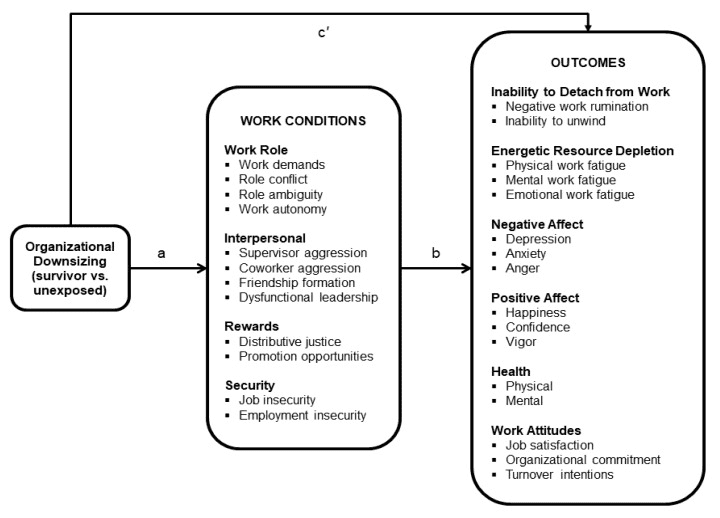
Source: “Organizational Downsizing, Work Conditions, and Employee Outcomes: Identifying Targets for Workplace Intervention among Survivors”
References:
- Strategies for Retaining Talented Employees During Downsizing Walden University
- The downsides of downsizing: Communication processes and information needs in the aftermath of a workforce reduction strategy University of Queensland
- The Impact of Downsizing on Employee Loyalty Faculty Business And Management Universiti Sultan Zainal Abidin